



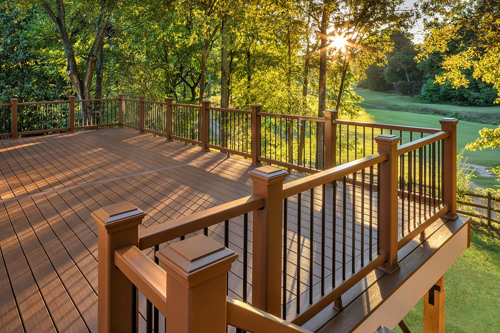
Transforming your outdoor space with style and safety doesn't have to be expensive. Affordable deck railing ideas are popular among DIY enthusiasts and budget-conscious homeowners. Whether adding a new deck or updating an existing one, the right railing materials and designs can enhance your deck's look without breaking the bank.
In this guide to all things affordable railing, we’ll cover practical and cost-effective deck railing solutions. From materials to DIY tips and maintenance, we've got all you need to make the right choice for your home.
Understanding Railing Types
When you’re exploring cheap ideas for deck railing, understanding the main railing types you’re likely to come across is a helpful place to start.
Wood railings offer a classic, customizable look at a lower upfront cost, but require regular maintenance to prevent rot and warping.
Composite railings use a blend of wood fibers and plastics, delivering low-maintenance performance and long-term durability that make them a popular choice for deck railing ideas for composite decking.
- Metal railings like aluminum and steel create a sleek, modern profile with strong durability and relatively low upkeep.
Vinyl railings offer a simple, clean appearance with minimal maintenance at a budget-friendly price.
5 Inexpensive Deck Railing Ideas
Looking for ways to refresh your deck without overspending on materials or labor? These cheap ideas for deck railing focus on simple builds and budget-friendly products without sacrificing style and safety.
1. Pressure-Treated Wood Railings
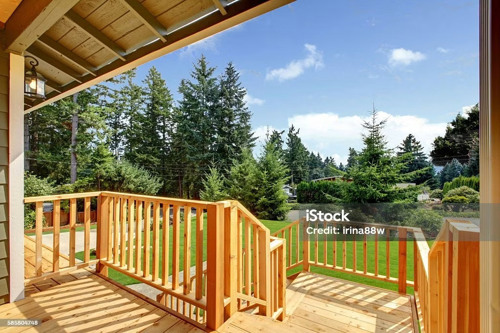
Pressure-treated wood railings are a classic choice that delivers cheap ideas for deck railing without sacrificing style. They use lumber and basic hardware, so you can keep upfront material and labor costs low while still customizing the look with stain or paint. This option works especially well if you’re a DIYer looking for a simple weekend project with standard deck-building tools.
2. Simple Metal Baluster Kits
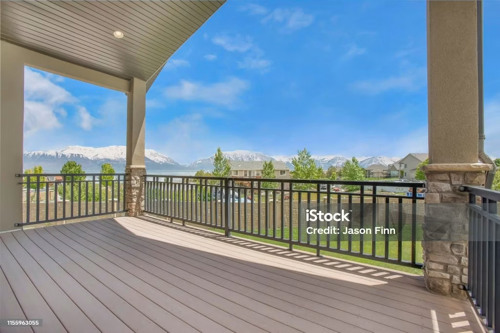
Create a clean, modern look at a budget-conscious price point with pre-packaged metal baluster kits that pair metal spindles with wood rails and posts. You save money by combining affordable wood framing with slim, durable balusters that are easy to install in pre-drilled rails. This is a great pick if you’re a homeowner looking for inexpensive railing ideas for decks that still feel elevated and contemporary.
3. Mixed-Material Railings With Composite Top Rails
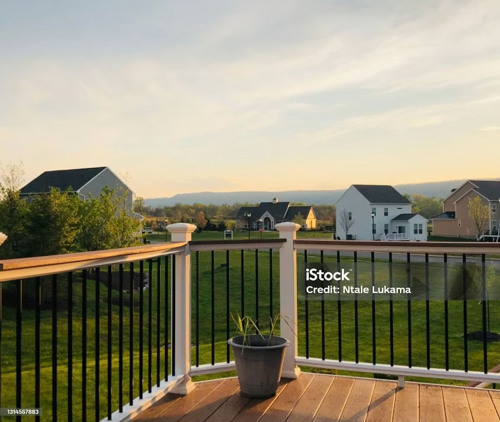
Balance upfront costs with long-term value while exploring creative ideas for deck railing with a mixed-material system featuring composite top rails with metal or wood infill. The composite top rail offers low maintenance and longevity, while more economical infill materials help keep the total project cost down. This approach is ideal if you want a comfortable, splinter-free grasp rail without paying for a full composite system.
4. DIY Cable‑Style Railing
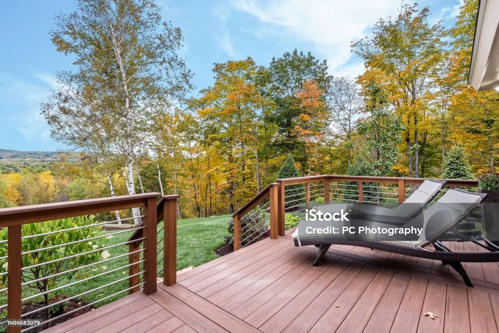
Looking for modern ideas for deck railings? Create budget-friendly cable-style railings with DIY cable kits or tensioned wire paired with wood or metal posts. Although you’ll need to invest time in layout and installation, the material costs can be kept reasonable, and the open design doesn’t block views from your deck. This inexpensive deck railing idea works well if you want a modern space where low-visual-impact railing is the priority.
5. Privacy Railing With Budget Infill
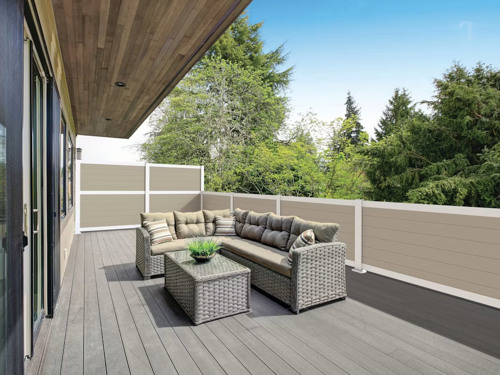
If you want more seclusion, consider a privacy railing with economical infill, such as horizontal wood boards, lattice panels, or corrugated metal. These materials are often cheaper than full custom privacy screens and can be cut to size with basic tools. This is an effective way to bring your privacy ideas for deck railings to life while controlling costs and giving your deck a distinctive, custom look.
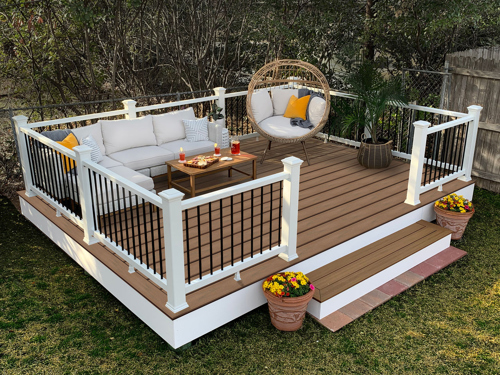
Why Choose Budget-Friendly Deck Railing Solutions?
Deck railings act as both protective barriers and design elements that enhance your outdoor space. While high costs can be a concern for many homeowners, focusing on a few core factors can help you choose the right option for your project while staying within budget:
Affordability: Choose a railing option that fits within your budget while still delivering reliable safety and performance.
Customization: Many railings offer customization options to enhance both their appearance and functionality. Consider the different materials, colors, and features available for each railing type. Lighting, ADA handrails, and infill options like mesh or deck railing with hog wire can all work together to create a design that fits your specific needs and style.
DIY-Friendly: Many budget-friendly railing options are easy to install yourself, helping you save on labor costs if you are up to the challenge.
- Longevity: Opt for a railing product with a strong warranty. Brands like Trex provide competitive warranties, ensuring a long-lasting solution so you can build with confidence and avoid future replacements.
Deck Railing Components Explained
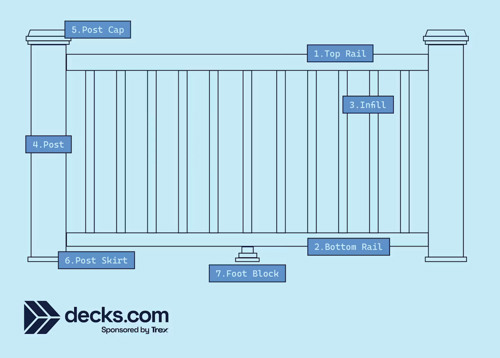
Regardless of which ideas for deck railing you consider, there are several universal components that contribute to your railing’s strength, safety, and overall appearance. Here’s a closer look at the essential parts of any deck railing system:
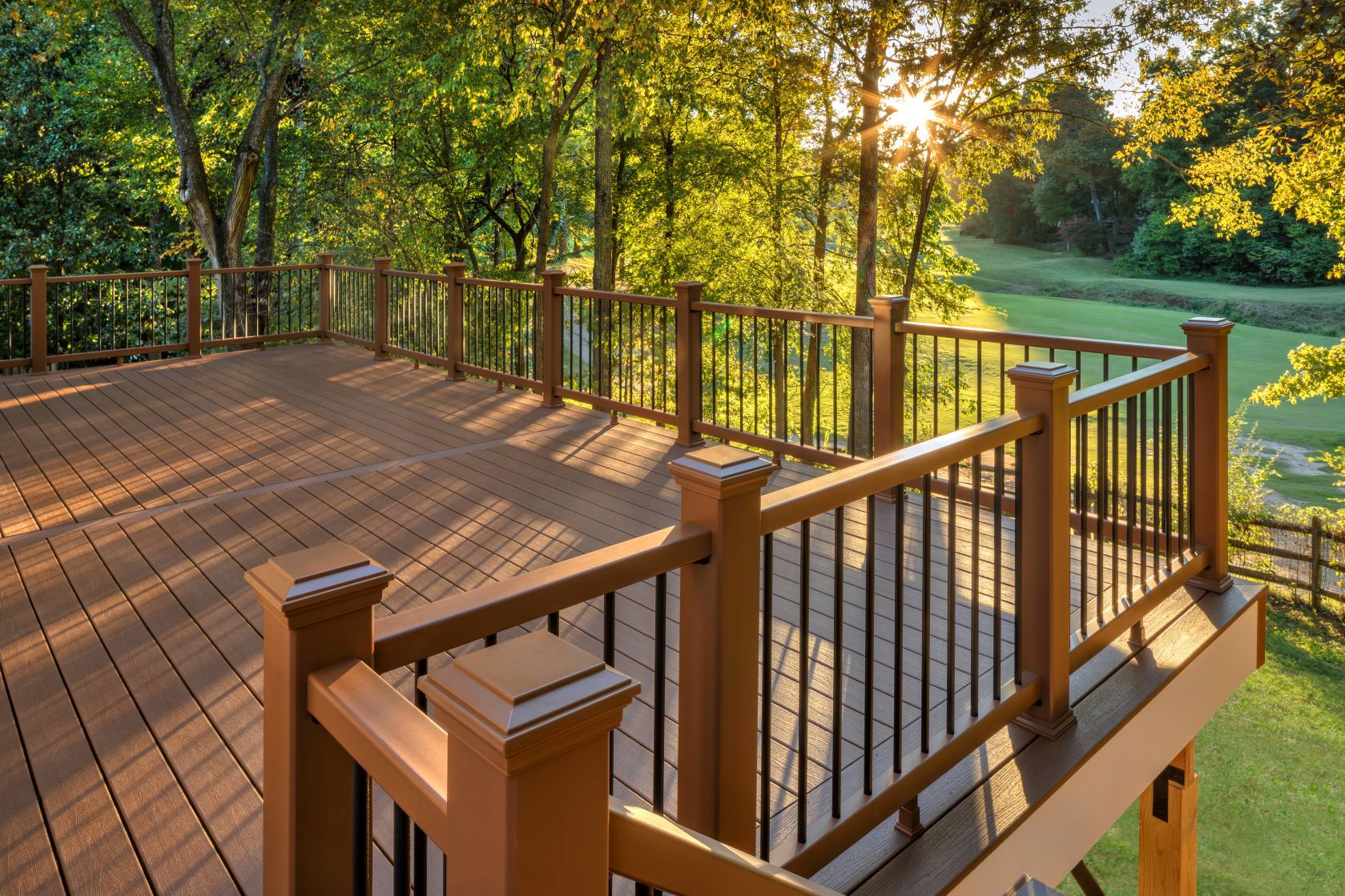
Top Rail: Runs horizontally between the posts at the top of your railing section. It provides the main support for the infill below and offers a comfortable surface to lean on or grasp, contributing to the overall stability of the railing.
Bottom Rail: Runs parallel to the top rail and connects between the posts at the base of the infill. It plays a key role in securing the infill in place and ensures the stability and alignment of the railing system.
Infill: Fits between the top and bottom rails, filling the space within the railing. Depending on your style and preferences, infill can be made from various materials, such as balusters, glass panels, or cables, adding both safety and visual appeal to your porch railing ideas.
Post: The vertical elements that anchor the railing system to the deck or porch surface. They provide essential structural support for the top and bottom rails and the infill.
Post Cap: A decorative piece that sits atop each post. It adds an aesthetic touch to the railing system and often includes protective features, with options that can also incorporate lighting for added ambiance.
Post Skirt: A trim piece at the base of each post where it meets the deck or porch surface. It covers any gaps or hardware, providing a finished look while protecting the connection point from moisture and debris.
Foot Block: Goes underneath the bottom rail to provide additional support and stability. Without foot blocks, the deck railing is more susceptible to sagging over time, compromising its appearance and structural integrity.
For a more detailed look, check out our article on parts of deck railing.
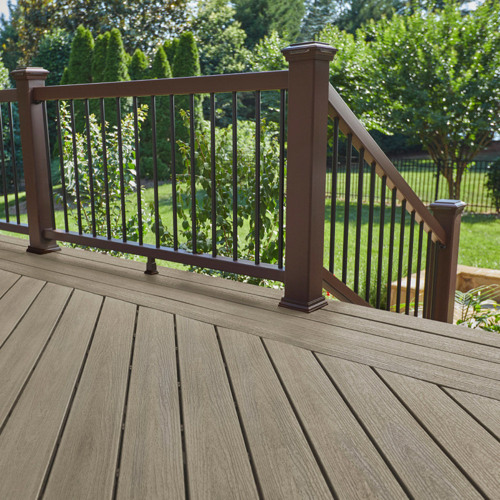
Explore Cost-Effective Deck Railing Ideas for Every Home and Budget
When comparing deck railing options, consider these differences in appearance and budget:
Traditional Style: Wooden railings with vertical balusters provide a classic, timeless look that suits various home styles. Composite railings with simple designs offer a similar traditional aesthetic with the added benefit of low maintenance. While both options enhance the appeal of a home, wood railings require regular upkeep to maintain their appearance.
Modern Style: Choose metal railings with vertical balusters for a sleek, contemporary look. This design offers clean lines and a minimalist aesthetic, perfect for modern deck spaces.
Unique Style: Mesh infills can give your deck a distinctive look, whether used with metal, composite, or wood rails. Combined with metal or composite, it creates a sleek, modern vibe, while pairing with wood adds a rustic charm.
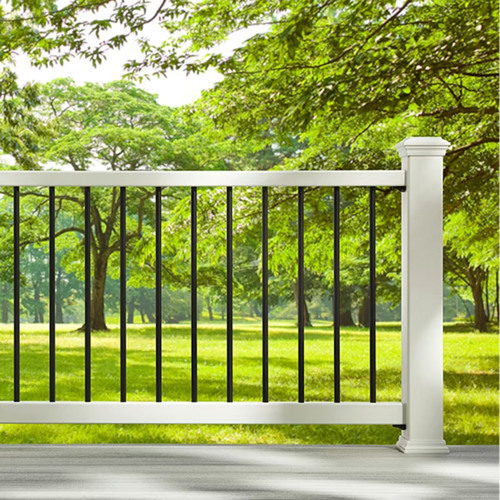
What are the most affordable deck railing materials?
When considering railing ideas for decks, materials like aluminum, steel, composite, wood, and vinyl offer a compelling mix of affordability and durability. Although their initial costs may be higher than some alternatives, their resilience and low maintenance requirements ensure they remain cost-effective over time.
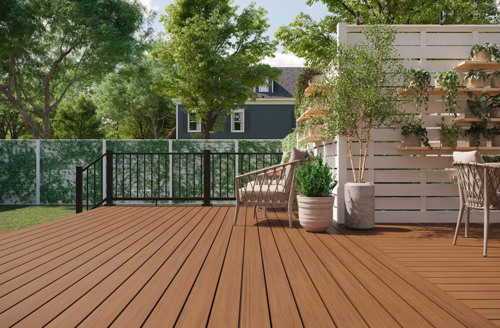
Aluminum Deck Railing
Aluminum deck railings are a popular option for both modern and traditional designs, thanks to their durability and low maintenance. They’re also a smart choice if you’re looking for inexpensive railing ideas for decks that still feel high-end.
Aluminum railings provide a sleek, modern look that can be powder-coated for added protection and aesthetics at a reasonable price. They’re particularly appealing for their resistance to rust and corrosion, offering a long-lasting, cost-effective solution. When considering deck railing ideas, aluminum railings offer a range of styles in neutral colors, with black being the most popular.
Pros of Aluminum Railings:
Durability: Aluminum railings are known for their strength and durability, despite being lightweight.
Corrosion Resistance: Powder-coated aluminum is naturally resistant to corrosion and rust, making it ideal for high-moisture environments.
Low Maintenance: Unlike wood, aluminum railings require minimal upkeep, with no need for regular staining or sealing, especially if coated with protective finishes like powder coating.
Aesthetic Versatility: Aluminum railings offer a wide range of styles, finishes and infill options, from sleek modern designs to more ornate, traditional looks. This flexible customizability can suit varying architectural preferences.
Cost-Effective Over Time: While the initial cost may be higher than that of other materials, the durability and low maintenance requirements often make aluminum railings a cost-effective option in the long run.
Cons of Aluminum Railings:
Susceptibility to Dents: While aluminum is resilient for such a lightweight material, it is more susceptible to dents and bending than other metal railing options under sharp impact.
Higher Initial Cost: Aluminum railings can be more expensive upfront than pressure-treated wood railings and steel railings.
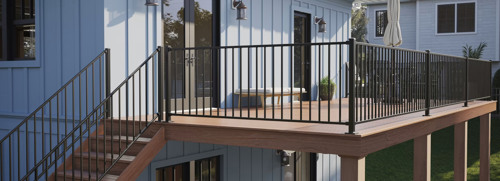
Steel Deck Railing
Steel railings are a robust and versatile choice for enhancing any outdoor space, especially if you’re comparing cheap ideas for deck railing that still feel sturdy and long-lasting. Known for their exceptional durability, steel railings can withstand severe winds, making them ideal for deck and porch applications. Unlike wood, steel does not succumb to issues like rot or insect damage, and its strength ensures reliable safety and stability.
Steel is also relatively low-maintenance, needing only occasional cleaning, with optional preventive measures such as rust protection treatments if you live in a harsher climate. Steel railings offer a sleek, modern aesthetic and can be customized with various finishes, including powder coating in a range of colors. These finishes not only enhance their appearance but also provide an extra layer of corrosion protection.
Pros of Steel Railings:
Durability: Steel railings offer a blend of strength and durability.
Low Maintenance: They require less maintenance than wood and periodic maintenance to delay rust.
Aesthetic Options: Steel railings offer a sleek, modern look and can be customized with powder-coated finishes in various colors to enhance their visual appeal.
Safety and Stability: Their robustness ensures reliable safety and stability, providing a secure barrier for decks and porches.
Versatility: Steel railings can fit a wide range of design preferences, from minimalist to ornate, making them suitable for various architectural styles.
Cons of Steel Railings:
Higher Initial Cost: The initial purchase price of steel railings can be higher than materials like wood, though they may offer long-term savings because of their durability.
Susceptibility to Rust: While non-stainless steel railings are generally resistant to many environmental factors, they can be prone to rust if not properly maintained, especially in coastal areas with high salt exposure.
Composite Deck Railing
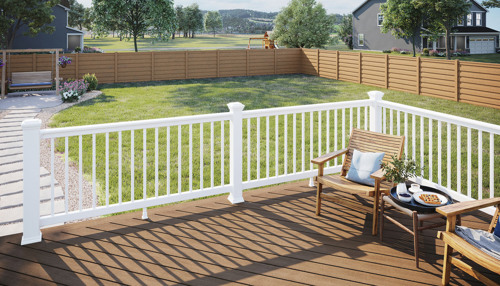
Composite deck railings have become increasingly popular due to their balance of cost, durability, and low-maintenance requirements, making them a strong fit for deck railing ideas for composite decking in particular.
Made from a blend of wood fibers and recycled plastics, composite deck railings like Trex Select® T-Rail are more environmentally friendly and resistant to rot, termites, and moisture damage than traditional wood railings. Their ease of installation and longevity make them an appealing option for homeowners seeking to upgrade their outdoor spaces. Although the initial cost may be higher, the reduced upkeep and extended lifespan often result in lower overall costs.
Trex offers a versatile range of composite deck railing options with various styles, colors, and textures to suit any design preference. These railings can be customized with accessories like lighting and gates, offering both aesthetic flexibility and practical benefits. Combining durability with minimal maintenance, Trex railings make an exceptional choice for modern decking solutions, providing both beauty and resilience to enhance any outdoor space.
Pros of Composite Deck Railings:
Durability: Composite railings are highly durable and resistant to rot, termites, and moisture damage, ensuring longevity and reducing the need for frequent replacements.
Low Maintenance: They require minimal upkeep, eliminating the need for regular sealing, staining, or painting, unlike wood railings.
Environmental Benefits: Made from a blend of wood fibers and recycled plastics, composite railings are more environmentally friendly than traditional wood options.
Aesthetic Variety: Composite railings come in a wide range of styles, colors, and textures, allowing for customization to match any outdoor design preference.
Ease of Installation: These railings are often designed for easy installation, making them a practical choice for DIY projects or professional installations.
Cons of Composite Deck Railings:
- Higher Initial Cost: The upfront cost of composite railings can be higher than that of wood, although they often prove more cost-effective over time due to their durability and low maintenance.
- Bulkier Look: Compared to the thin balusters, rails, and posts available with metal railings, composite rails tend to be thicker.
Wood Deck Railing
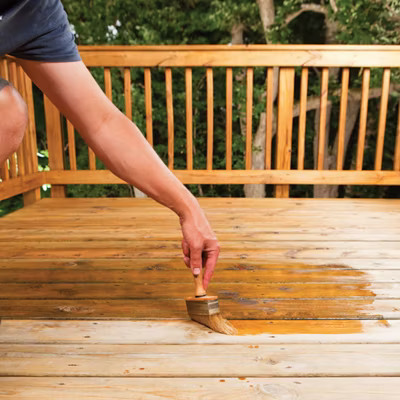
Wood deck railings are an affordable choice for those seeking a classic aesthetic. They’re often the first material people consider when looking for cheap ideas for deck railing that still feel warm and traditional. With the ability to customize with different stains and paints, wood offers homeowners versatility; that said, keep in mind the ongoing upkeep this material requires.
While the initial investment for wood railings is lower than that of composite or metal railings, wood requires significant ongoing maintenance to ensure longevity. To protect against natural deterioration like rotting and warping, regular upkeep like sealing, staining, and painting is essential.
Pros of Wood Deck Railings:
Immediate Affordability: Wood deck railings are often the most cost-effective option during installation, making them accessible to a variety of budgets. Just remember that, over the years, they could end up costing you more in maintenance.
Customization Options: Wood railings can be easily customized with various stains and paints to match existing decks, pillars, or home décor, providing versatility.
DIY Friendly: Wood railings can be a rewarding DIY project for those interested in hands-on home improvement, allowing for creativity and personal touches.
Cons of Wood Deck Railings:
Maintenance Requirements: Wood requires regular upkeep, such as sealing, staining, and painting, to protect against the elements and preserve its appearance.
Susceptibility to Deterioration and Instability: Wood is prone to rotting, warping, and insect infestation, which can increase maintenance and repair costs over time. There's also the risk of splintering.
Environmental Considerations: The need for ongoing maintenance and the potential for deterioration raise concerns about the environmental impact and sustainability of using certain wood species.
Longevity: Compared to composite or metal railings, wood railings have a shorter lifespan, requiring more frequent replacements.
Vinyl Deck Railing
Vinyl deck railings are a budget-friendly, low-maintenance option for homeowners who want a clean, classic look without ongoing upkeep. They’re typically made from durable PVC, which resists moisture, rot, and insect damage, making them a practical choice in a wide range of climates. While vinyl may not offer the same premium feel as composite or metal, its lower upfront cost and minimal maintenance can make it an attractive solution for cost-conscious projects.
Pros of Vinyl Deck Railings:
Affordability: Vinyl railings are often less expensive than composite or metal, making them appealing for value-driven deck railing ideas.
Low Maintenance: They do not require staining or sealing and can usually be cleaned with just soap and water.
Weather Resistance: Vinyl resists rot, moisture, and insect damage, helping maintain its appearance over time.
Consistent Appearance: Factory-finished components provide a uniform color and appearance, helping decks look neat and polished.
Cons of Vinyl Deck Railings:
Limited Color and Style Options: Vinyl typically comes in fewer colors and profiles than composite or metal, which may limit creative ideas for deck railing.
Less Natural Look: It does not replicate the warmth and texture of real wood as convincingly as some composite products.
Potential for Fading or Discoloration: Prolonged sun exposure can cause some vinyl systems to fade or discolor over time.
Mixed Material Railing
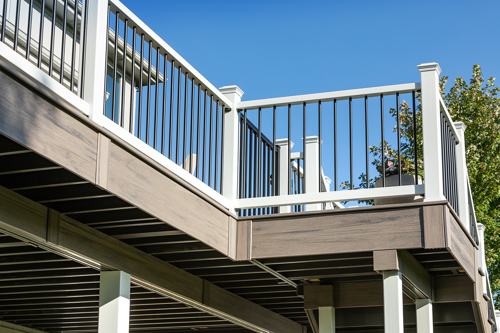
For a unique, custom appearance, mixed-material railings can combine the strengths of each material, like the warmth of wood, the durability of metal, or the openness of mesh, to create a design that fits your taste and performs well over time. This approach lets you mix and match materials to achieve the look you want while tailoring your railing to your budget and maintenance preferences.
Pros of Mixed Material Railings:
Customization: Mixed-material railings offer a high degree of customization, enabling combinations like hog rail infills with vinyl or steel to create unique designs that suit various architectural styles and personal tastes.
Durability: Using materials like composite in combination with steel mesh infills can significantly enhance your railing’s durability, providing strength and resistance to weather conditions.
Aesthetic Appeal: The customizability of mixed-material railings allows you to blend natural textures with sleek metal or durable composite finishes, making them appealing in both contemporary and rustic settings.
Low Maintenance: Vinyl, metal, and composite components typically require less maintenance than traditional wood, reducing the need for frequent painting or sealing and making them cost-effective over time.
Versatility: The mix of materials can adapt to various environments, providing options for both indoor and outdoor use while accommodating a range of structural and design requirements.
Cons of Mixed Material Railings:
Complex Installation: The integration of different materials can complicate the installation process, potentially requiring specialized tools or professional assistance.
Inconsistent Aging: Different materials age at different rates, which can lead to uneven wear and potential aesthetic mismatches over time.
Potential Compatibility Issues: Ensuring compatibility among materials to avoid issues, such as corrosion when using steel alongside other materials, requires careful planning and material selection.
How to Choose the Right Deck Railing
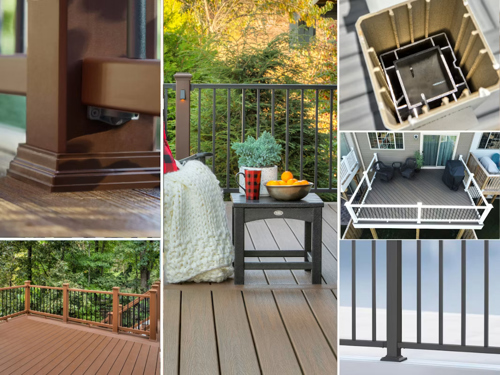
When planning your budget for deck railings, consider these key factors:
Initial Material Costs: The upfront expense varies by material type. Wood is often the most affordable initially, while composite and metal options may cost more but offer longer-term benefits.
Installation Fees: Costs include labor if hiring professionals or equipment if DIYing. Professional installation ensures quality and code compliance but can be pricier, while DIY may save money but requires skill and effort.
Maintenance Costs: Ongoing expenses vary by material. Wood requires more frequent upkeep compared to low-maintenance composite or metal railings.
Railing Life Expectancy: The lifespan affects how often you'll need replacements. Composite and metal typically last longer than wood.
Replacement Costs: Consider potential replacement costs to align with your budget and longevity goals.
Style: Custom designs or high-end materials can increase costs. It is important to find a railing that fits both your style and budget.
Local Codes and Regulations: Different areas have their own building codes, safety requirements, and HOA guidelines that can affect which deck railings are allowed and how they must be installed. Before you choose materials or start building, research local codes, permit requirements, and any neighborhood rules to ensure your project is compliant.
Region: Different regions may have different building codes and regulations that can affect the cost of railing materials and installation. Be sure to research these factors before making a decision. It's crucial to choose a product that can withstand salt spray and extreme weather conditions.
Evaluating these factors helps in making an informed decision that fits your aesthetic, budget, and long-term needs. For more details on how to choose the right deck railing, explore this article on How to Choose the Right Railing.
DIY Deck Railing Ideas
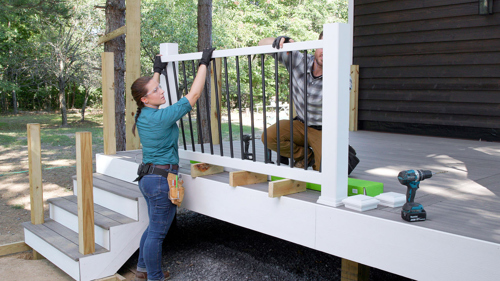
Taking on a DIY project for your deck railings can be both rewarding and budget-friendly, especially when you use resources like Trex Academy to guide you through installing Trex railings and planning inexpensive railing ideas for decks.
To ensure your DIY railing project is a success, start with careful planning and a solid grasp of basic construction skills. Familiarize yourself with local building codes and safety regulations to ensure your railing meets all standards. While DIY railings offer personalization and cost benefits, they also pose challenges, such as maintaining structural integrity and achieving a polished look.
Remember, the journey is as fulfilling as the result; embrace each step with enthusiasm and confidence, knowing you're creating something special.
What to Consider When Building DIY Deck Railings
When planning your deck railing project, especially if you're considering a DIY approach, keep these additional considerations in mind to narrow down the best railing ideas for decks for your space:
- Railings with Time-Saving Features: Railing templates, pre-assembled panels, railing kits, and more can help simplify the installation process. If you plan to install the railing yourself, consider investing in railings that offer a simplified build and ordering process.
Guardrails: Most local building codes require any deck higher than 30 inches off the ground to have a guardrail.
Height Compliance: Ensure that guardrail height is at least 36 inches, as required by most building codes. This standard helps provide adequate safety and security for the railing, preventing accidental falls.
Baluster Spacing: The spacing between balusters should be no more than 4 inches apart. This spacing helps to prevent small children or pets from slipping through and maintains the railing's effectiveness in providing safety.
Get Started with Deck Railing Ideas and Resources
Bring your ideas for deck railings to life by pairing the right materials with the right planning tools and how-to support. Use the resources below to compare options, confirm requirements, and walk through each step of your deck railing project with confidence.