



When choosing a railing for your deck, you'll need to consider style, materials, cost, installation time and the difficulty of the project. One key decision that affects all of these is, “Should you build your railing from scratch or use a kit?” Whether you're finishing a brand-new deck or upgrading an existing one, this article will help you choose the best option for your new favorite outdoor space.
What Is a Custom Railing System?
Custom railing systems are built on site and made from individual wood components sourced piece-by-piece. They typically involve cutting, assembling, and finishing each part onsite. They can incorporate unique angles, curves, or custom infills that don’t come standard in kits.
What is a Railing Kit?
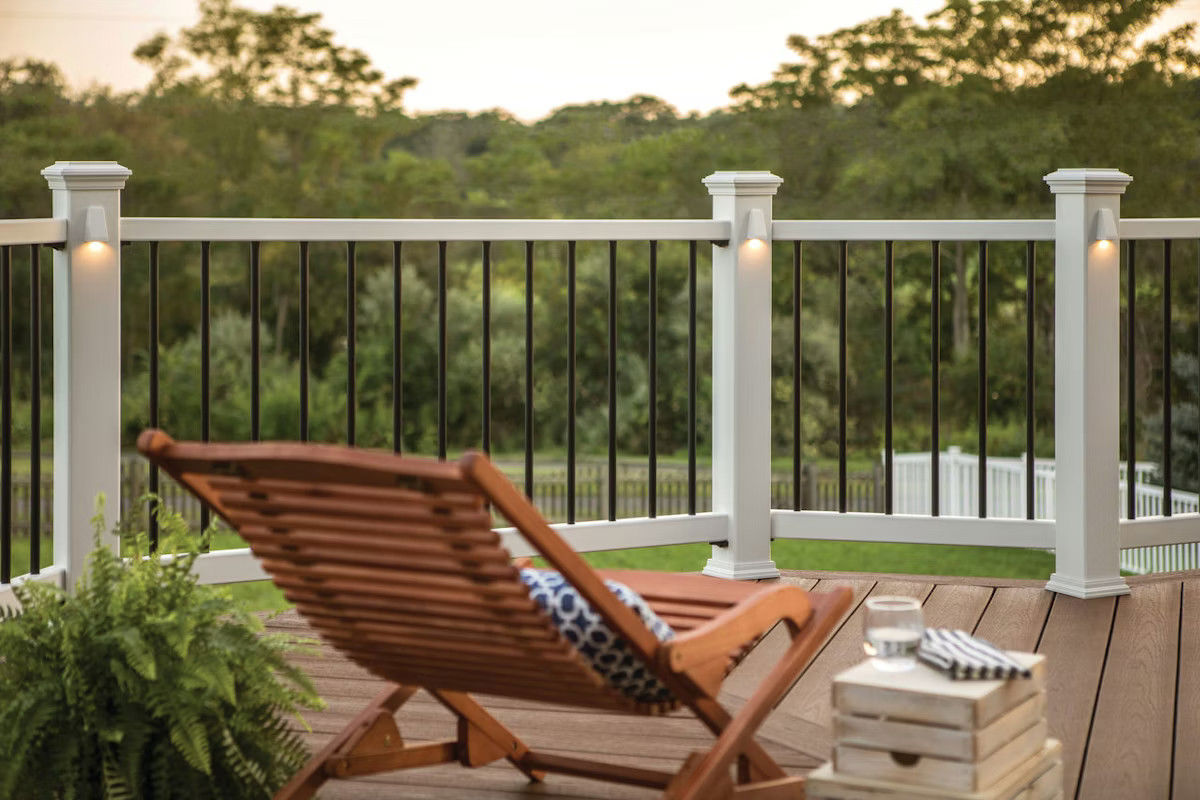
A railing kit is a bundled set of components designed to simplify deck railing installation. Railing kits have gained popularity in recent years, especially among DIYers and contractors looking for a fast, straightforward solution. Many major brands, including Trex®, offer deck post and railing kits that come pre-packaged with nearly all the necessary components. Most railing kits include top and bottom rails, balusters, mounting brackets, and hardware. Pre-assembled panels are also available, which drastically reduce construction time.
Pros and Cons of Custom Installations and Railing Kits
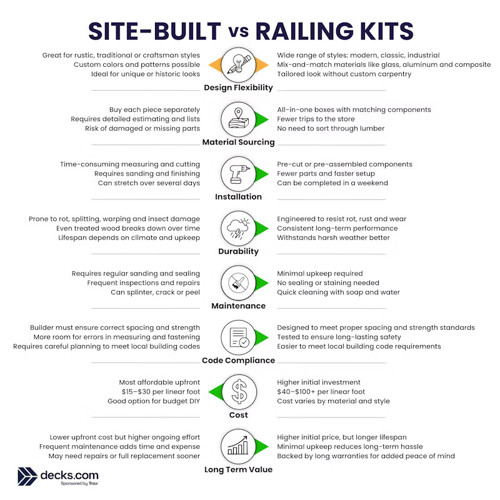
Choosing between a custom railing and a railing kit comes down to more than just personal taste—it’s about balancing time, effort, and expectations. Each option has its strengths and trade-offs, and understanding the big-picture differences will help you decide which path best suits your project goals. Keep reading to see how site-built and kit systems compare when it comes to Design Flexibility, Sourcing Materials, Installation, Durability, Maintenance, Code Compliance, Cost, and Long Term Value.
Design Flexibility
Custom: Best for rustic or traditional looks
When it comes to design, the specific look you’re after will influence your decision. You can incorporate unique patterns and paint or stain wood railings to create custom colors to match your home’s architecture. However, custom wood railings are best for homeowners aiming for a rustic, traditional or craftsman-style look.
Kits: More style options with less effort
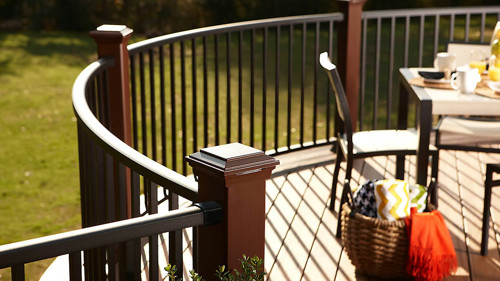
Railing kits offer a wide range of styles—from classic to industrial to sleek and modern. With components that are designed to work together, many systems available in kits let you mix materials like composite, aluminum, steel, cables or glass to create a tailored look that fits your style without the need for custom carpentry.
Sourcing Materials
Custom: Source every piece yourself
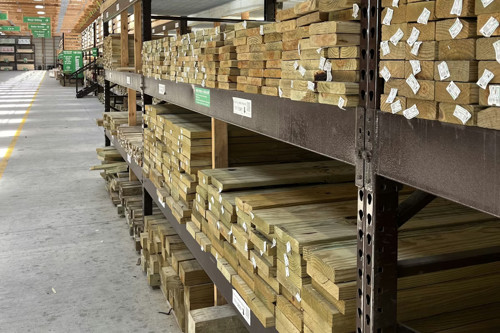
With custom, site-built wood railings, you’ll need to source everything individually, from posts and balusters to brackets and fasteners. That means making a detailed materials list and double-checking your quantities. It also means dealing with the occasional warped board or out-of-stock components, which add trips back to the supplier and slow down your progress.
Kits: Everything included in one box
Railing kits simplify this part of the project. Most kits come with everything you need in one box or package—often including posts, brackets, balusters, and mounting hardware. Because the components are designed to work together, there’s less guesswork, fewer trips to the store, and a smoother installation process overall.
Installation
Custom: More cutting, fitting, and finishing
Installing custom wood railings can be more time-consuming than expected. Each component needs to be measured, cut, fastened, and aligned. Once assembled, the entire railing must be sanded and finished with paint, stain, or sealant—often in multiple coats with drying time in between. These extra steps can turn a one-day project into a week-long process.
Kits: Faster, simpler installation
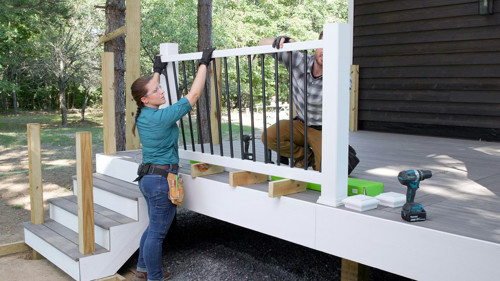
Railing kits offer a faster, more streamlined experience. Pre-assembled panels, like those in many Trex systems, reduce the need for complex cuts and minimize on-site adjustments. Even kits that require some assembly are designed for straightforward installation, requiring only a small fraction of the measuring and cutting and no finishing. Whether you're hiring a contractor or tackling the job yourself, railing kits can help save time and reduce frustration.
Durability
Custom: Wood requires regular upkeep to prevent rapid aging
Custom, site-built wood railings can offer years of use, but they’re more prone to damage from moisture, insects, and UV exposure. Even treated lumber can eventually crack, warp, or rot, especially in harsh climates. While some homeowners appreciate the natural aging of wood, others may find its durability doesn’t match long-term expectations.
Kits: Engineered to last in all types of weather
Composite and metal railing kits are built to handle the elements without breaking down. These materials are engineered to resist common issues like rot, rust, and surface wear. Whether it’s a composite system or a powder-coated aluminum option, railing kits tend to offer more consistent performance and a longer lifespan, making them a solid choice for lasting strength and appearance.

Maintenance
Custom: Regular sealing and repairs required
Wood railings offer a timeless look, but they come with a hands-on maintenance schedule. You’ll need to check regularly for loose fasteners, splinters, and signs of cracking or decay. Keeping the wood protected means sanding, staining, sealing, or painting—often every year or two—depending on your climate. Even with regular care, the sun, moisture and insects can take a toll over time.
Kits: Low-maintenance, easy to clean
Railing kits made from composite or metal materials offer a much lower-maintenance alternative. They are designed to resist fading, warping, and surface damage, so they stay looking great with little effort. In most cases, a simple rinse with soap and water is all it takes to keep them clean. That means more time enjoying your deck—and less time maintaining it.
Building Code Compliance
Custom: Accuracy depends on builder's skill
With custom wood railings, it’s the builder’s responsibility to ensure the finished product is constructed to local building code standards. That includes meeting code-required heights and spacing between balusters, rails and stair treads. And achieving the proper strength and rigidity means selecting the right fasteners, securing posts correctly, and following all local height and load requirements. Even small mistakes can lead to safety issues or failed inspections.
Kits: Pre-tested to meet codes
Railing kits simplify much of this process. Most are pre-engineered to meet common residential building codes, with tested components designed to work together. Baluster spacing, post placement, and connection strength are all built into the system, reducing the margin for error. While you'll still need to verify specific local requirements, like railing height, kits make it easier to build a code-compliant railing with confidence.
No matter which type of railing you choose, check with your local building department to ensure your plans meet all applicable codes before you begin construction.

Cost
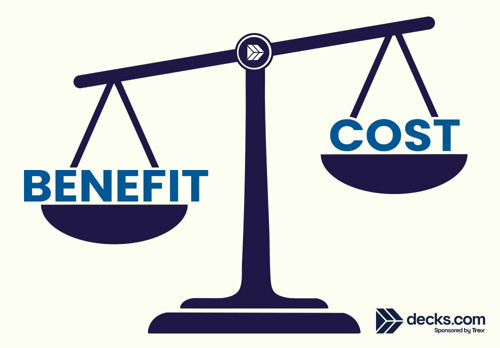
When comparing railing options, upfront cost is often the first consideration—and prices can vary widely depending on the material and style. Wood railings are typically the most affordable to build, especially if you're doing the work yourself with pressure-treated lumber. Composite and metal systems come at a higher price point, but they offer different design and installation advantages. Specialty railings like cable or glass tend to be the most expensive due to the materials and hardware involved. Here is what you can expect to pay.
- Wood Railing: $15 to $30 per linear foot
- Composite Railing: $40 to $80 per linear foot
- Metal Railing: $50 to $100 per linear foot
- Specialty Railing (Cable or Glass): $80 to $150+ per linear foot
For more information on estimating the cost of building an entire deck, check out this handy Decking Cost Calculator.
Long Term Value
Custom: More time and money spent on upkeep over time
While custom, site-built wood railings may cost less upfront, they often require more time, effort, and materials to maintain over the years. Regular staining, sealing, and repairs add up, not just in dollars, but in labor and lost weekends. Wood is also more susceptible to damage from moisture, insects, and UV exposure, which can shorten its lifespan. Over time, the cost of upkeep and potential replacement may outweigh the initial savings.
Kits: Better long-term performance
Railing kits made from composite or metal materials tend to cost more at the start, but they’re built for longevity. With no need for painting or sealing, and resistance to rot, rust, and warping, they hold up well in all kinds of weather. Many systems come with multi-decade warranties, offering added peace of mind. For homeowners looking to invest in a low-maintenance solution that will last for decades, railing kits often deliver better value over the long haul.
DIY vs. Hiring a Contractor
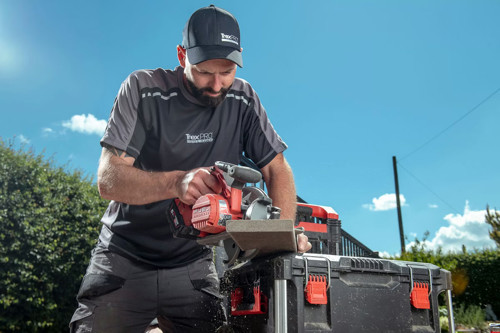
If you’re comfortable with tools and enjoy tackling home projects, installing your own railing can be a satisfying DIY job. Railing kits make the process easier with pre-cut components and step-by-step instructions. Custom wood railings, however, require more advanced carpentry skills, including precise cutting, fastening and finishing, which can make the project more challenging. For those who prefer to leave it to the pros, hiring a contractor can ensure the job is done right. Working with a TrexPro® contractor adds even more peace of mind. TrexPros are certified to install Trex products correctly and efficiently, so you can be confident your railing will look great and perform well for years to come.
Learn More About Deck Railings