



Why the Wood We Build With Isn’t What It Used to Be And Why Homeowners Should Know
By: Ian Holmes
Holmes Custom Renovations | Blue Ash, Ohio
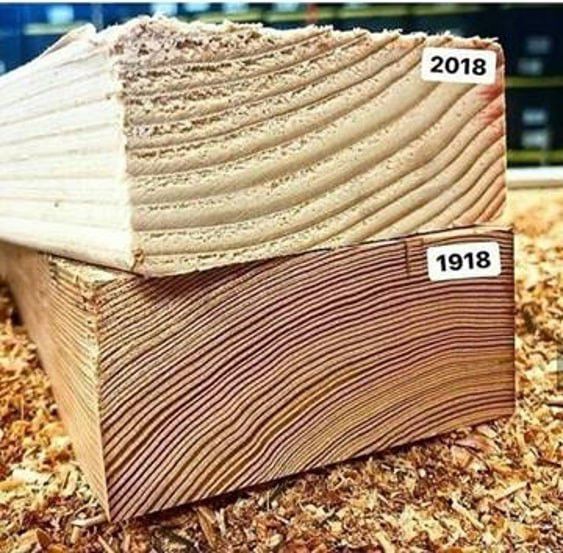
For generations, wood has been the go-to material for decks, fences, railings, and outdoor furniture, valued for its natural beauty and strength. But much of today’s lumber comes from younger trees harvested for speed and efficiency, producing what experts call juvenile wood - material that may look solid but lacks structural
maturity needed for lasting performance. Builders and homeowners are finding that this fast-grown lumber can fail sooner, increase maintenance demands, and raise safety risks
What “Young Wood” Really Means and Why It Matters
In the past, trees were harvested after decades of slow, steady growth. Today, forestry practices prioritize faster yields, resulting in a higher proportion of lumber from immature trees. This “young wood” tends to be softer and weaker, more prone to warping, twisting, cracking, and moisture-related issues[1]. Research from the United States Forest Service and the USDA Forest Products Laboratory[2] confirms that early-harvested lumber is more likely to shrink and deform, complicating construction and reducing durability. When forests are managed for speed rather than maturity, lower-quality wood enters the supply, leaving homeowners with materials that may not stand the test of time.

The Hidden Cost of Wood
The challenges of juvenile wood don’t just a ffect performance, they hit homeowners in the wallet, too. Decks and outdoor structures made with fast-grown lumber often require major repairs or replacement every 7-10 years. So, a homeowner may end up paying to build the same deck two or even three times during their occupancy. Understanding the limitations of today’s lumber highlights why more durable, low-maintenance wood alternatives can deliver better long-term value.
Are Wood Alternatives Any Better? Short Answer: Yes
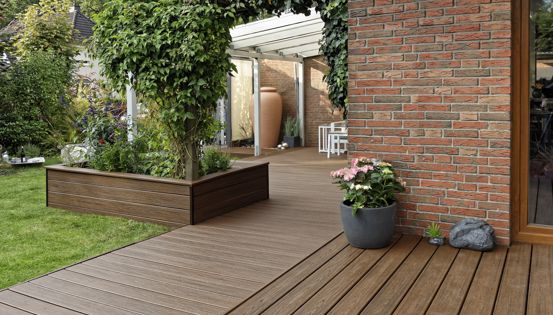
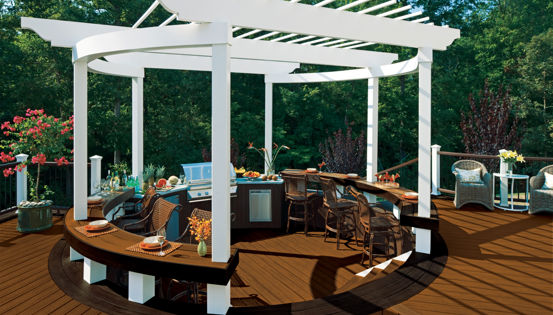
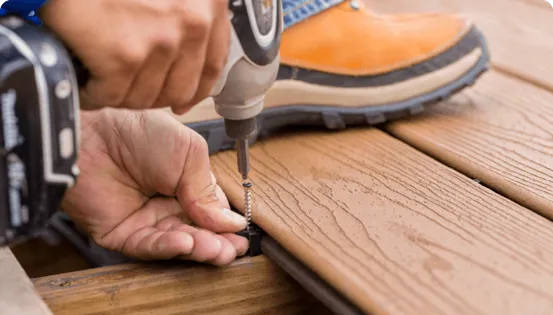
Across outdoor living, composite materials are emerging as smarter alternatives to traditional wood. Engineered for outdoor environments, they resist moisture, rot, swelling, and twisting, won’t splinter or crack from seasonal expansion, and naturally fend o ff pests and fungal decay. They also require minimal upkeep, typically only occasional cleaning rather than sanding, staining, or sealing. Many composite products are made with significant amounts of recycled and reclaimed content (anywhere from 60% to 95%), helping reduce waste and environmental impact.
Companies like Trex produce high-performance decking and railing from industrial wood scrap and recycled plastic film. Outdoor furniture brands such as POLYWOOD transform recycled plastics into durable, weather-resistant furnishings. Even structural framing can be built with composites, using moisture-resistant lumber from Owens Corning and Tangent Technologies. The result is a new era of outdoor spaces where everything from the framing to the furniture can be built with high-performance composite materials designed to last longer, require less maintenance, and make smarter use of recycled resources.

A Smarter and Safer Choice for Today’s Homes
Wood will always have a place in America’s building tradition, but modern outdoor living demands durability, safety, sustainability, and ease of maintenance. Composites provide a smarter, eco-friendly path forward, delivering the warmth of wood with the resilience today’s homeowners expect