



Whether you're expanding the deck you built years ago or trying to identify the materials on an existing deck that came with a new home, figuring out exactly what type of deck you have is essential to ensuring any updates you make are done properly and built to last.
There are many different types of decks, with materials and designs varying widely. The following guide provides all the deck-distinguishing tips you need to get started.
What Type of Deck Material Do I Have?
To begin answering the question, "What kind of deck do I have?" start by identifying the materials. Many decking materials look similar to the untrained eye, but getting it right can be crucial to your long-term deck ownership.
Deck materials play a major role in the longevity, maintenance, and durability of your structure. To pinpoint which deck material is in your backyard, start by understanding the differences between composite, PVC, and wood.
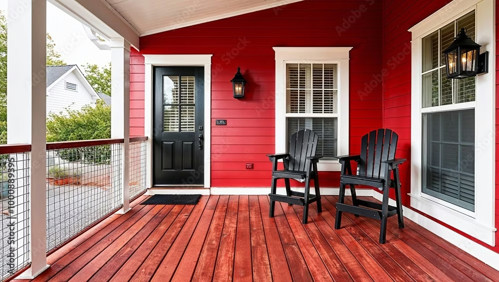
Wooden Decking
To check if your deck is made of real wood, rather than a material made to look like wood, take a look at the ends of your deck boards. Natural wood typically has a distinct grain pattern on the end of each board. To identify what type of wood boards you have, you'll need to observe the color, grain pattern, density, smell, and even signs of aging to figure out the exact lumber. For example, pressure-treated wood typically fades from a greenish hue to a gray color over time and features a prominent grain pattern compared to other woods.
- Pros of wood decking: Lower replacement cost, natural look and feel
- Cons of wood decking: High maintenance; low durability; short lifespan; requires annual updates; low weather, fire, and pest resistance
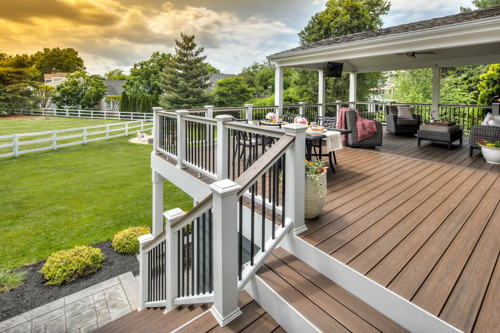
Composite Decking
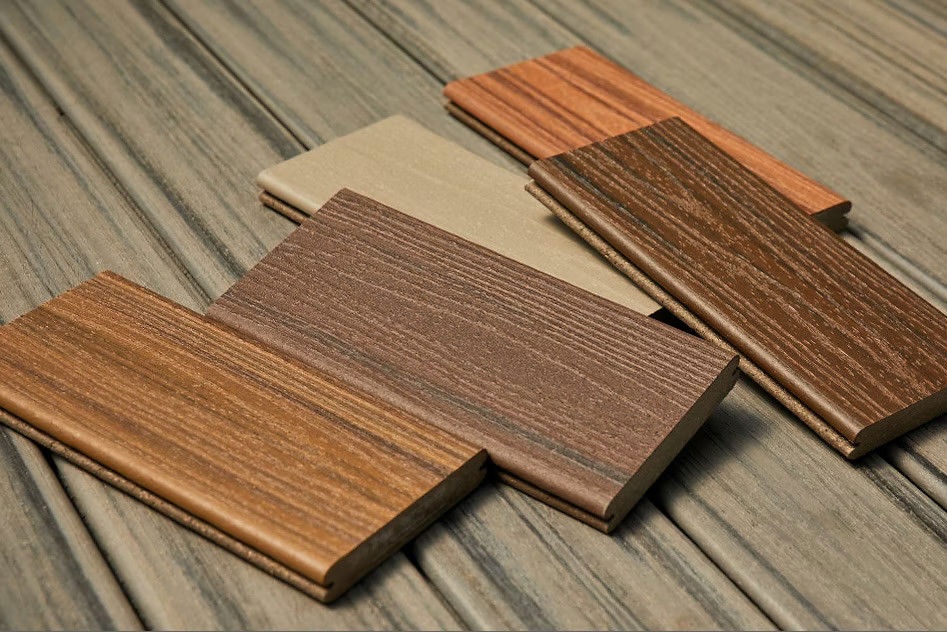
Composite decking looks like wood but is harder and more durable than natural wood boards. Looking at the end of a composite deck board, you'll also notice a lack of grain pattern. Instead, you may see a smoother end cap with flecks in it, which comes from its makeup of up to 95% recycled materials. If you believe you have composite decking, check the bottom or side of your boards for logos, serial numbers, or other distinctions that can help you identify the brand.
- Pros of composite decking: High durability, low maintenance, affordable, eco-friendly, long-lasting
- Cons of composite decking: Can be more expensive than cheaper wood boards, not typically fire-resistant
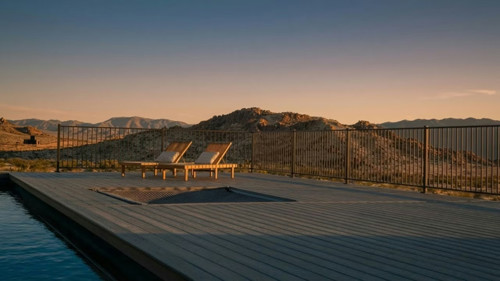
PVC Decking
PVC decking can feel lightweight yet durable compared to composite or wood decking. This is due to its all-plastic composition, which will also result in a smooth end cap. As with composite boards, you can check the underside of PVC decking for logos, serial numbers, or other brand distinctions.
- Pros of PVC decking: High durability, low maintenance, commonly fire-resistant
- Cons of PVC decking: Can be expensive, not as eco-friendly as composite
What Deck Style Do I Have?
Once you've determined your deck materials, you can move on to identifying which deck styles you may be dealing with now or in the future. Different deck types may be better suited to certain climates and lifestyles, so understanding the options available to you can help guide your decking decisions.
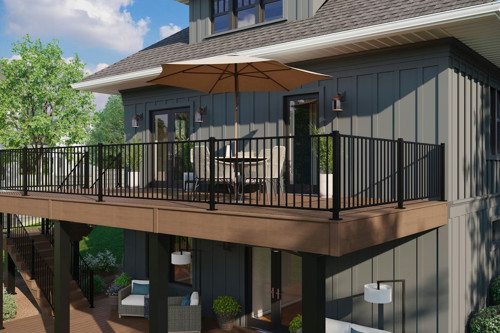
Attached Decks
An attached deck is one that's fastened to your home. These deck types are often secured with a ledger board, which acts as a natural extension of your space from inside to outside.
Attached decks are popular for their stability, integrated design, multi-level options, and enclosures that provide the flexibility to host large, year-round gatherings. These decks can typically handle heavier loads, allowing you to add features such as an outdoor kitchen, grill, or hot tub.
Detached Decks
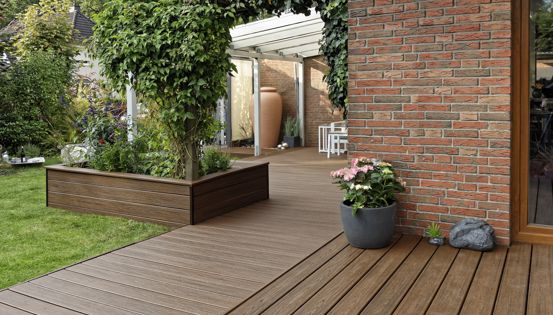
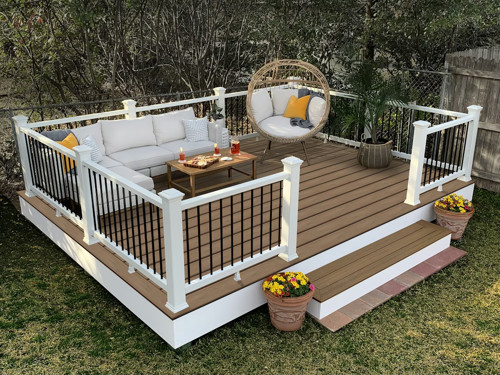
Detached decks, also known as floating or freestanding decks, are built independently of your home. These decks are typically either near your home or in your backyard, and are only a few inches off the ground in most cases. This type of deck differs from a patio: a patio is flush with the ground, while these decks are not.
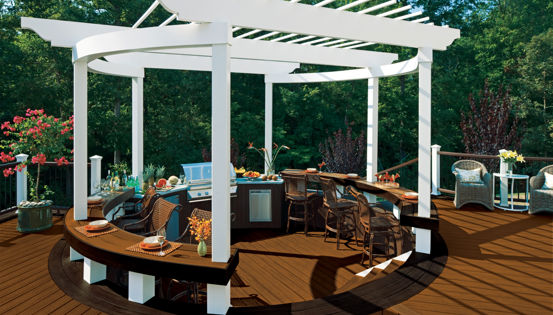
Detached decks are best suited for and commonly found in warm climates, since frost depth is a key consideration in their construction. They're also a common companion to warm-weather outdoor spaces. Some detached decks may have fixtures, such as pergolas, shade panels, canopies, and railings, installed to create a secondary outdoor living space.
Pool Decks
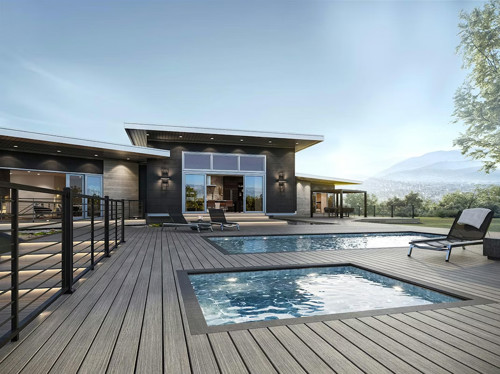
Pool decks are outdoor deck spaces built around or near pools. These can be found in both attached and detached deck styles, depending on your pool's location and style.
If you have an above-ground pool, you may have an attached deck that surrounds it for a cohesive extension of your home. In-ground pools are already a secondary space, as they are typically required to be around 10 feet from your home to prevent water-related damage. In this case, your pool deck will likely be detached, allowing you to create a distinct vibe for your poolside area, separate from your home.
These deck types are commonly found in warm climates but are also used in cold-climate homes for summer use. No matter what style of pool you have, make sure the pool deck is designed for water, heat, and slip resistance, as well as aesthetics.
Wraparound Decks
Wraparound decks are attached decks that surround part or all of your home. These types of deck designs are common in southern architecture and are often found on homes with notable views. If you're interested in building a wraparound deck or if you already have one, consider how changes to orientation, shape, size, and placement can optimize sun exposure throughout the day.
Rooftop Decks
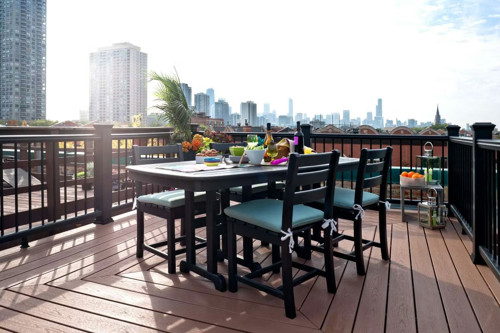
Rooftop decks make the most of an otherwise unutilized space at the top of your home. These decks vary in design based on shape and slope, and are often built with shade and weather in mind.
Although rooftop decks offer an exciting way to expand your space, their construction requires serious safety considerations. From railing and drainage to compliance with local laws and regulations, these decks have unique building requirements.
Is It Time to Expand or Rebuild?
With a wide range of materials and deck styles available, refreshing a deck can be exciting. If you've found that your current deck materials aren't built to last, or the deck style you have just isn't conducive to your lifestyle, you may want to build a new deck entirely.
Whatever your building inspiration, consider investing in durable, long-lasting boards like those offered by Trex. Having the right deck boards will help you create a space that holds its value while providing endless opportunities for hosting and outdoor fun.